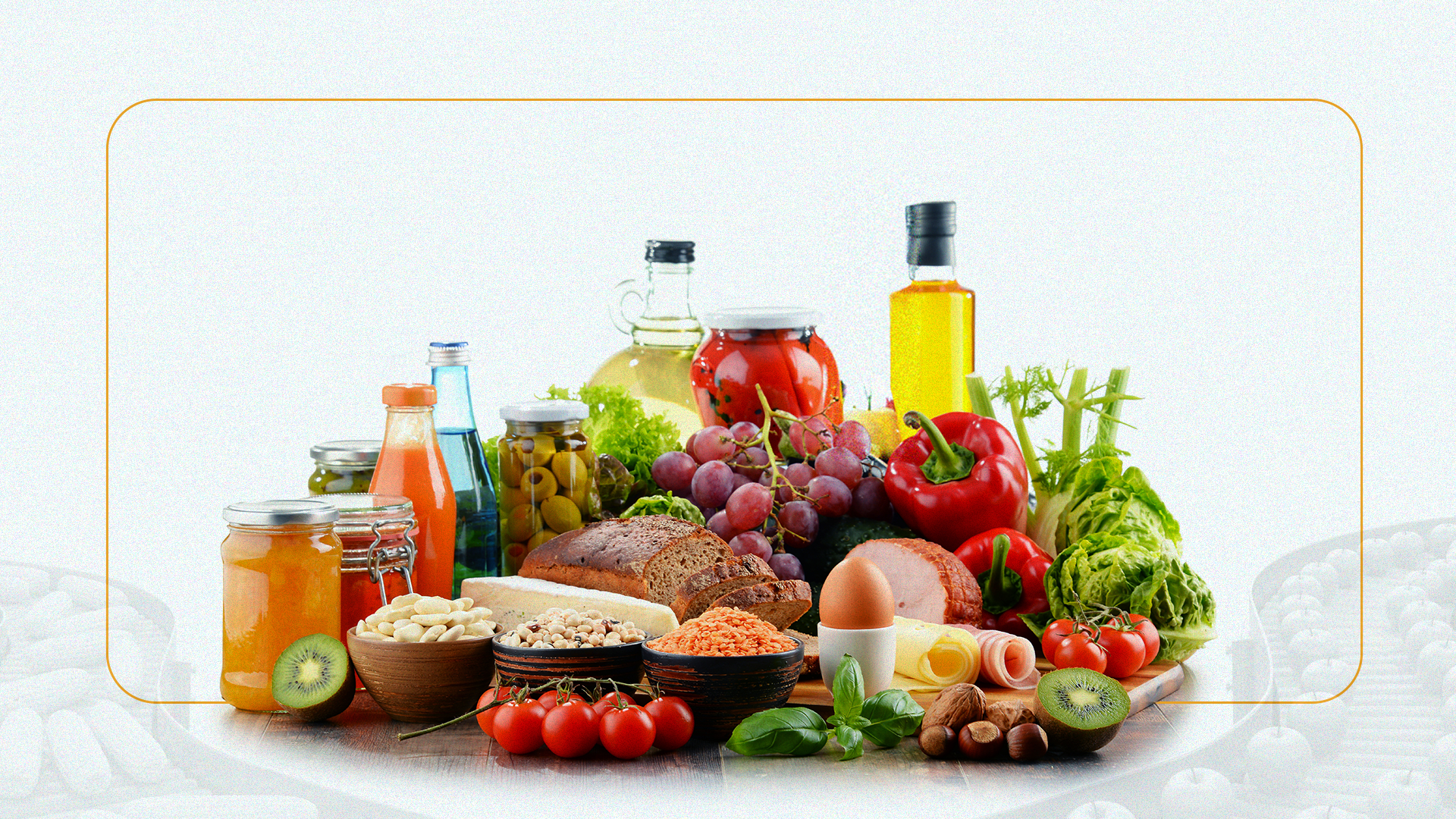
India’s food processing industry is undergoing a profound structural transformation, anchored in a strong agricultural base, a rapidly expanding consumer market, and sustained policy support. Once viewed primarily as a supplier of raw agricultural commodities, India is now emerging as a reliable global source of value-added food products, modern logistics solutions, and sustainable agri-food systems. This paradigm shift presents compelling opportunities for global investors seeking scale, resilience, and long-term value in a high-growth emerging market. The gross value added (GVA) of India’s food processing sector has recorded a robust expansion, rising from ₹1.34 lakh crore in 2014–15 to ₹2.24 lakh crore in 2023–24, reflecting the sector’s sustained growth and increasing contribution to the economy.
A Strong Agricultural Foundation Powering Value Addition
India is uniquely positioned to lead the next phase of global agri-food transformation. With one of the largest and most diverse agricultural ecosystems in the world, India ranks as one of the top producers across a wide spectrum of commodities, including fruits and vegetables, dairy, cereals, millets, pulses, livestock, fisheries, tea, and spices. This abundance of raw material provides a robust platform for processing, value addition, and supply chain optimization.
The country’s growing competitiveness is reflected in its export performance. In FY 2024–25, India’s food exports crossed USD 49 billion, underscoring strong global demand and the rising acceptance of Indian processed food products in international markets. This momentum highlights India’s evolution from a primary producer to a value-oriented participant in global food supply chains.
Processing Landscape and Untapped Potential
A study by the Ministry of Food Processing Industries (MoFPI) highlights varying levels of processing across key categories. Processing penetration is relatively high in food grains (68%), meat (34.2%), milk (21.1%), and fisheries (15.4%). For fruits and vegetables, despite India’s global leadership in production, the processing level remains low, at 4.5% and 2.7% respectively. These gaps represent substantial untapped potential, particularly when benchmarked against global best practices. Opportunities abound in cold chain infrastructure, integrated food parks, modern processing facilities, export-oriented clusters and technology-driven retail and distribution platforms.
Market Dynamics and Trade Integration
India’s domestic food consumption market is poised for sustained growth, driven by rising disposable incomes, rapid urbanization, and evolving dietary preferences. Increasing demand for processed, nutritious, and shelf-stable foods, combined with a strong policy push toward food security, nutrition, and sustainability, adds further momentum to the sector.
Digital commerce, reinforced by the rapid expansion of quick-commerce platforms, is fundamentally redefining route-to-market strategies. By compressing delivery timelines, amplifying brand visibility, and leveraging data-driven personalization, these channels are enabling businesses to respond with greater precision and agility to the increasingly diverse and evolving preferences of consumers.
For investors, India offers a compelling value proposition: abundant and competitively priced raw materials, policy-led growth incentives, low labor and operating costs, and strategic access to markets across South Asia, the Middle East, and Africa.
India has also intensified its trade diplomacy, concluding comprehensive trade agreements with key partners such as the European Free Trade Association, the United Arab Emirates, Australia, the United Kingdom, New Zealand, while continuing negotiations with other regions. These agreements are expected to unlock new market access opportunities, attract foreign capital and technology, and strengthen value addition in agri-food and food processing sectors.
Innovation, Digital Transformation, and Farmer Empowerment
India today hosts one of the world’s most dynamic agri-startup ecosystems, with over 7,000 enterprises supported by incubators, accelerators, and an increasingly confident investor community. This innovation-led momentum is reinforced by the Government of India’s commitment to building a future-ready agricultural and food processing architecture.
Digital public infrastructure initiatives such as AgriStack, the Krishi Decision Support System, VISTAAR, and the Open Network for Digital Commerce (ONDC) are reshaping service delivery, improving market access, and enabling next-generation agri-innovation. These platforms are creating transparent, data-driven linkages across the value chain, from farm to fork.
Parallel reforms are promoting climate resilience and sustainability. Initiatives ranging from Soil Health Cards and large-scale soil testing to drone-enabled monitoring, precision spraying, and the National Pest Surveillance System are equipping farmers with real-time, actionable insights. These initiatives are accelerating the adoption of modern technologies, enhancing productivity and predictability in agricultural outcomes.
Policy Framework Driving Ease of Investment
Recognizing food processing as a priority sector, the Government of India has rolled out a comprehensive suite of interventions to attract investments and improve ease of doing business. The Production Linked Incentive (PLI) Scheme for Food Processing, with an outlay of ₹10,900 crore, has been implemented to create global food brands, expand processing capacity, and promote value-added exports. Approved applicants under the scheme have already committed investments exceeding ₹9,700 crore.
The Pradhan Mantri Formalisation of Micro Food Processing Enterprises (PMFME) scheme focuses on strengthening grassroots-level processing through credit access, capacity building, and formalization of unorganized enterprises. Complementing this, the Pradhan Mantri Kisan Sampada Yojana supports the creation of modern infrastructure and efficient supply chains through sub-schemes covering integrated cold chains, processing and preservation facilities, and food safety and quality assurance systems. Under PMKSY, 36 new projects were sanctioned and 94 operationalized during 2025, adding 28.48 lakh MT of processing and preservation capacity that is expected to benefit around 1.4 lakh farmers and generate significant local employment. Cumulatively, 1,185 out of 1,618 approved projects under PMKSY are operational, driving over ₹21,900 crore of investment and impacting 51 lakh farmers with 7.22 lakh direct and indirect jobs.
Additional initiatives including the Agriculture Infrastructure Fund (AIF), Animal Husbandry Infrastructure Development Fund (AHIDF), Pradhan Mantri Matsya Sampada Yojana (PMMSY), Fisheries Infrastructure Development Fund (FIDF), and dedicated food processing funds through NABARD — collectively reinforce a whole-of-government approach to modernizing the agri-food ecosystem. Recent Next-Gen GST reforms have further enhanced investor confidence by streamlining tax structures, lowering input costs, and improving affordability for consumers.
Expanding Investment Footprint and Sectoral Growth
India’s food processing sector’s economic contribution has expanded steadily. The sector has consistently attracted foreign investment, with cumulative FDI equity inflows of approximately US$ 7.33 billion between April 2014 and March 2025. Improvements in infrastructure, enhanced logistics integration, and greater policy clarity have strengthened investor confidence, drawing multinational corporations, global food brands, and long-term institutional capital into the ecosystem.
The scale and diversity of investment commitments announced during World Food India reflect deep domestic and international confidence in India’s food and allied sectors. Memorandum of understanding concluded across multiple sub-sectors and geographies underscore investor trust in India’s stable policy environment, improving infrastructure, and long-term growth trajectory. These commitments signal strong endorsement of India’s vision to emerge as a globally competitive food processing hub, driven by reform-oriented governance and sustained public–private collaboration.
As India advances toward becoming a global center for food processing, its integrated approach combining agricultural abundance, innovation, infrastructure development, and progressive policy frameworks, positions it as a partner of choice in global agri-food value chains. For investors seeking long-term returns with measurable economic and social impact, India’s food processing sector offers an unparalleled convergence of opportunity, scale, and sustainability.
This blog is written by Sandipan Sensarma